Diabetic Foot Ulcer Treatment: Why Amputation Is Not Always the Answer
By Dr. M. Ram Prabhu · 22 May 2026 · 14 min read
Diabetic foot ulcers do not automatically mean amputation. Many limbs can be saved when infection control, blood sugar management, pressure offloading, vascular assessment, and reconstructive wound closure happen at the right time.
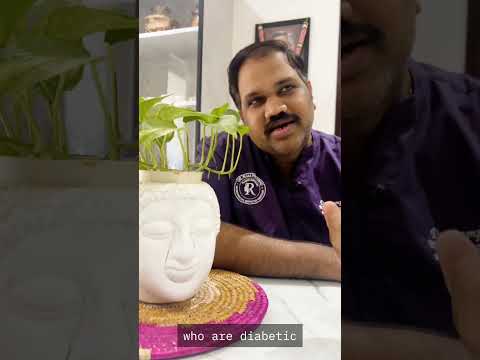
This article expands on Dr. Ram Prabhu's video about why diabetic foot ulcers should be assessed early by a limb-salvage team.
Why diabetic foot ulcers become dangerous
Diabetes can reduce sensation in the feet. A small blister, corn, nail injury, or pressure point may go unnoticed. If blood sugar is poorly controlled or circulation is weak, the wound may deepen and infection can spread.
Warning signs include:
- Ulcer not reducing in size
- Increasing discharge or smell
- Black tissue or exposed tendon or bone
- Fever, swelling, or spreading redness
- Repeated breakdown in the same pressure area
These signs need urgent evaluation, not home dressings alone.
Why amputation is not always the first step
The first question is whether the foot can be made clean, vascular, covered, and pressure-protected. If the answer is yes, a staged limb-salvage plan may be possible.
Treatment may include debridement, culture-guided antibiotics, vascular review, negative pressure wound therapy, skin grafting, local flaps, or regional flap reconstruction. The exact plan depends on infection depth, circulation, bone involvement, and the patient's ability to offload the area.
What plastic surgery adds
Plastic surgery is not just cosmetic. In diabetic foot care, a plastic surgeon helps close difficult wounds with durable tissue cover. This matters when tendons, joints, bone, or weight-bearing areas are exposed.
The goal is a closed wound that can tolerate footwear and walking, not only a short-term dressing result.
When to consult early
Do not wait for a wound to become large. Consult early if a diabetic foot ulcer is not improving within two weeks, keeps recurring, or shows any sign of infection.
For complex wounds in Hyderabad, read more about reconstructive surgery services and the earlier guide on diabetic foot reconstruction.
Video transcript: edited for readability
In the video, Dr. Ram Prabhu explains that a diabetic foot ulcer should not be treated as an automatic path to amputation. The first priority is to understand why the wound is not healing: infection, pressure, poor blood sugar control, reduced sensation, weak circulation, or exposed deeper structures may all be involved.
He emphasizes that early assessment gives the patient more options. A wound that is seen before infection spreads may be treated with cleaning of unhealthy tissue, appropriate antibiotics, pressure offloading, dressings, and, when required, reconstructive cover.
The key message is limb salvage. If the foot can be made clean, vascular, covered, and protected from repeated pressure, many patients can avoid major amputation. Plastic surgery helps when tendons, bone, or weight-bearing areas need durable closure rather than repeated dressing alone.
Patients are advised not to wait when there is discharge, smell, black tissue, spreading redness, fever, or an ulcer that is not reducing in size. These signs need a coordinated diabetic foot evaluation.
This transcript is edited from the educational theme of the video for clarity and search readability; it is not a substitute for an in-person wound assessment.
FAQ
Can every diabetic foot ulcer be saved?
No. Some ulcers have severe infection, poor circulation, or extensive tissue death. But early treatment gives more options before major amputation is considered.
Is skin grafting enough for diabetic foot ulcers?
Only some wounds are suitable for grafting. Weight-bearing areas or exposed bone and tendon may need flap cover.
Who should assess a diabetic foot ulcer?
A coordinated team is ideal: diabetologist, vascular specialist when needed, wound-care team, and reconstructive plastic surgeon for closure planning.
Talk to Dr. Ram Prabhu in Hyderabad
If you would like personalised advice, book a consultation at Idea Clinic, Kondapur.
About the Author
Dr. M. Ram Prabhu is a plastic surgeon with 16+ years of experience and 6,000+ procedures performed. He holds DNB (Super Speciality) Plastic Surgery from the National Board of Examinations, New Delhi (2019). Member of IAAPS and APSI. TSMC Registration #66931. Practices at Idea Clinic, Kondapur, Hyderabad. Read full bio →