Keloids Are Not Just Scars: Treatment Options That Reduce Recurrence
By Dr. M. Ram Prabhu · 22 May 2026 · 8 min read
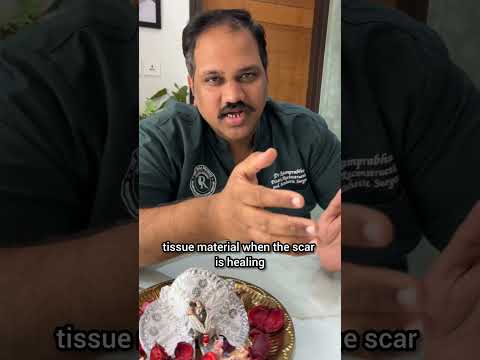
Keloids are not ordinary scars. They grow beyond the original wound, can itch or hurt, and often recur if treated with simple excision alone.
How keloids differ from normal scars
A normal scar usually matures and softens over time. A keloid may continue to thicken, become raised, and extend outside the original injury. Common sites include the ear, chest, shoulder, jawline, and upper back.
Symptoms may include:
- Itching or burning
- Pain or tenderness
- Progressive thickening
- Cosmetic concern
- Recurrence after previous removal
Why cutting alone is risky
Removing a keloid without recurrence prevention can stimulate another keloid, sometimes larger than before. This is why treatment planning matters.
Depending on site and severity, a plan may include steroid injections, pressure therapy, silicone gel, surgery, and post-operative scar modulation. Some cases need repeated follow-up rather than one appointment. For broader wound and scar planning, see reconstructive surgery services.
When surgery helps
Surgery is considered when the keloid is large, symptomatic, functionally troublesome, or cosmetically distressing. The incision and closure must be planned to reduce tension, and the aftercare plan is as important as the excision. This is especially important for ear-piercing keloids, where earlobe repair and keloid excision may need preventive aftercare.
What patients should ask
Before treatment, ask about recurrence risk, follow-up schedule, pressure or silicone therapy, and whether injections will be needed after removal. You can also review related wound-care guidance such as why deep cuts need proper suturing before skin glue.
For scar and keloid evaluation, see reconstructive services or book a consultation for a site-specific plan.
Video transcript: edited for readability
In the video, Dr. Ram Prabhu explains that keloids are not just ordinary scars. A normal scar usually stays within the original wound and gradually matures, while a keloid can continue growing beyond the wound boundary.
He describes why simple cutting is often not enough. If a keloid is excised without a plan to reduce recurrence, the new wound can stimulate another raised scar. This is why treatment must include prevention, follow-up, and scar modulation.
The video outlines that treatment may combine steroid injections, pressure therapy, silicone gel, surgery, and post-operative monitoring. The right combination depends on the site, size, symptoms, previous treatment history, and the patient's tendency to form keloids.
The main patient message is to ask about recurrence risk before treatment. Surgery can help selected cases, but the aftercare plan is as important as the removal itself.
This transcript is an edited educational version of the video message and should not replace a scar examination.
FAQ
Can keloids be permanently cured?
Some keloids remain controlled long term, but recurrence is possible. Combination treatment gives better control than excision alone.
Are steroid injections enough?
They may help small or active keloids. Larger or resistant keloids may need combined treatment.
Can keloids happen after acne or piercing?
Yes. Ear piercings, acne, burns, surgery, and minor injuries can trigger keloids in prone individuals.
Talk to Dr. Ram Prabhu in Hyderabad
If you would like personalised advice, book a consultation at Idea Clinic, Kondapur.
About the Author
Dr. M. Ram Prabhu is a plastic surgeon with 16+ years of experience and 6,000+ procedures performed. He holds DNB (Super Speciality) Plastic Surgery from the National Board of Examinations, New Delhi (2019). Member of IAAPS and APSI. TSMC Registration #66931. Practices at Idea Clinic, Kondapur, Hyderabad. Read full bio →