Revolutionizing Skin Repair: The Science of Skin Grafting
By Dr. M. Ram Prabhu · 12 May 2024 · 5 min read
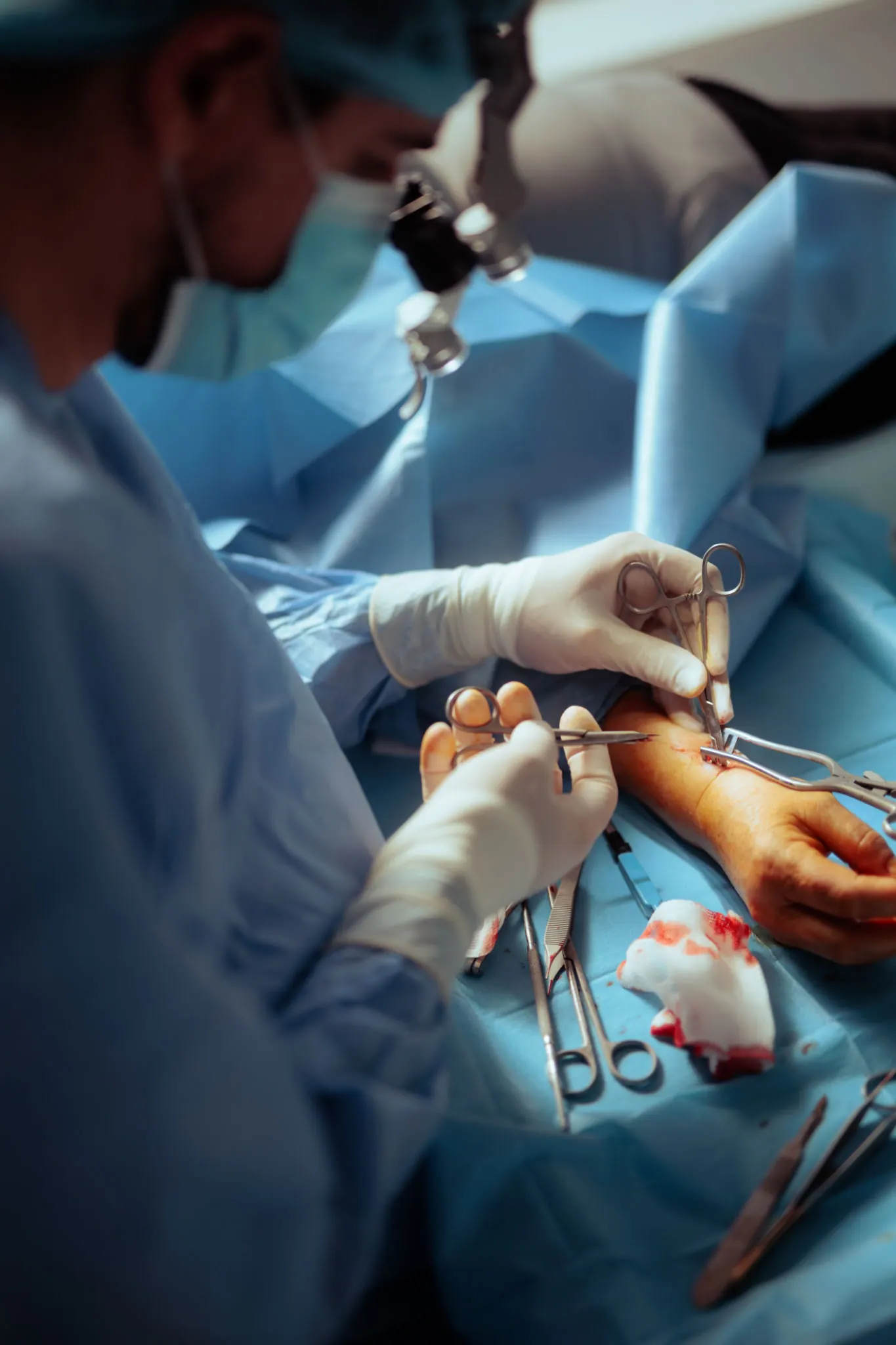
Skin grafting transfers skin from one area of the body to another to close wounds that cannot heal on their own. It remains essential in burn care, trauma, cancer excision, and chronic ulcer surgery after the wound bed is prepared.
Types of skin grafts
Split-thickness skin graft (STSG)
Includes epidermis and part of the dermis. The donor site usually heals by re-epithelialisation. STSG is common for larger areas when the bed is healthy and vascular.
Full-thickness skin graft (FTSG)
Includes the full dermis. Used for smaller, cosmetically important areas where thicker, more durable cover is needed. Donor sites are closed primarily (often leaving a line scar).
When grafting is used
Examples include:
- Burns and deep abrasions after debridement
- Post-oncologic defects with adequate bed
- Chronic ulcers once infection and slough are controlled
- Selected traumatic losses
Grafting fails if the bed lacks blood supply — preparation is as important as the graft itself.
What patients should know
- Colour and texture match is imperfect, especially on the face or joints
- Contracture can occur without splinting and physiotherapy when indicated
- Donor site pain is real but usually manageable
Specialist care matters
Graft take depends on immobilisation, infection control, and technique. These procedures belong in experienced hands with proper theatre resources.
Learn more about reconstructive options at reconstructive services.
Talk to Dr. Ram Prabhu in Hyderabad
If you would like personalised advice, book a consultation at Idea Clinic, Kondapur.
About the Author
Dr. M. Ram Prabhu is a plastic surgeon with 16+ years of experience and 6,000+ procedures performed. He holds DNB (Super Speciality) Plastic Surgery from the National Board of Examinations, New Delhi (2019). Member of IAAPS and APSI. TSMC Registration #66931. Practices at Idea Clinic, Kondapur, Hyderabad. Read full bio →